Welcome to our guide on the top HRIS systems for midsize companies! Choosing the right HRIS system can be a daunting task, but with the right information, you can make an informed decision that will benefit your organization. We have compiled a list of the best HRIS systems specifically designed for midsize companies, taking into account factors such as ease of use, features, and affordability. Whether you are looking to streamline your HR processes, improve employee engagement, or enhance reporting capabilities, there is a system out there to meet your needs. Let’s take a closer look at some of the leading HRIS systems for midsize companies.
Evaluating Criteria for Midsize Company HRIS Selection
Choosing the right HRIS system for your midsize company can be a daunting task. With so many options available in the market, it is important to evaluate key criteria to ensure that you select a system that meets the unique needs of your organization. Here are some factors to consider when choosing an HRIS system for your midsize company:
1. Scalability: One of the most important criteria to consider when selecting an HRIS system for a midsize company is scalability. As your company grows, your HRIS system should be able to grow with you. Look for a system that can easily accommodate an increase in the number of users and can handle a larger volume of data without compromising performance. Scalability is crucial for midsize companies as they strive to expand and adapt to changing business needs.
2. Integration capabilities: Another key criteria to evaluate is the integration capabilities of the HRIS system. A good HRIS system should be able to seamlessly integrate with other systems and software that your company uses, such as payroll, time tracking, and performance management tools. This integration will help streamline processes, improve data accuracy, and enhance overall efficiency within the organization.
3. User-friendly interface: Ease of use is essential when selecting an HRIS system for a midsize company. Look for a system that has a user-friendly interface and intuitive navigation to ensure that employees can easily access and use the system without extensive training. A user-friendly interface will help increase adoption rates within the organization and maximize the benefits of the HRIS system.
4. Customization options: Every midsize company is unique, and their HRIS system should reflect that. Look for a system that offers customization options to tailor the system to the specific needs and requirements of your organization. Customization options can include adding or removing modules, adjusting workflows, and configuring reports to meet the specific needs of your company.
5. Data security: Protecting sensitive HR data is crucial for any organization, especially for midsize companies that may not have the resources to recover from a data breach. When evaluating HRIS systems, consider the data security measures in place to protect employee information. Look for systems that offer robust security features such as encryption, access controls, and regular data backups to safeguard your data from unauthorized access or loss.
Choosing the right HRIS system for your midsize company is a critical decision that can have a significant impact on your organization’s efficiency and success. By evaluating these key criteria, you can select a system that aligns with your company’s needs and objectives, helping you streamline HR processes, improve employee productivity, and drive business growth.
Top Features to Consider for Midsize Company HRIS Systems
When it comes to selecting an HRIS system for your midsize company, there are several key features that you should consider to ensure that you are getting the most out of your investment. Here are some top features to keep in mind:
1. Scalability: One of the most important factors to consider when choosing an HRIS system for midsize companies is scalability. As your company grows, you want to make sure that your HRIS system can grow with you. Look for a system that can easily accommodate an increasing number of employees and adapt to any changes in your organization’s structure.
2. Customization: Another crucial feature to consider is customization. Every company has unique HR needs, and a one-size-fits-all approach may not work for your organization. Look for an HRIS system that allows you to customize features, fields, and workflows to match your company’s specific requirements. This way, you can tailor the system to meet your exact needs and streamline your HR processes.
3. Integration capabilities: Integrating your HRIS system with other software applications is essential for maximizing efficiency and performance. Look for a system that offers seamless integration with popular software applications such as payroll, time tracking, and recruitment tools. This will allow you to centralize data and streamline processes, saving time and reducing the risk of errors.
4. Reporting and analytics: Data-driven decision-making is crucial for the success of any organization. Look for an HRIS system that offers robust reporting and analytics capabilities, allowing you to track key HR metrics, generate insightful reports, and make informed decisions. Customizable dashboards and real-time data visualization tools can help you gain valuable insights and improve your HR strategies.
5. Mobile access: In today’s digital age, employees expect to have access to HR information anytime, anywhere. Look for an HRIS system that offers mobile access, allowing employees to access their HR data, submit requests, and perform tasks on the go. Mobile-friendly features can improve employee satisfaction, engagement, and productivity.
6. Compliance and security: Protecting sensitive HR data and ensuring compliance with regulations are critical for midsize companies. Look for an HRIS system that offers robust security features, data encryption, and compliance tools to safeguard your data and ensure regulatory compliance. Features such as role-based access control and audit trails can help you maintain data integrity and protect your organization from potential risks.
By considering these top features when selecting an HRIS system for your midsize company, you can ensure that you are making a wise investment that will streamline your HR processes, improve efficiency, and support your company’s growth and success.
Total words: 468
Benefits of Implementing HRIS Systems for Midsize Companies
Implementing HRIS (Human Resource Information System) systems can provide numerous benefits for midsize companies. HRIS software can streamline HR processes, improve efficiency, and enhance employee management. Here are some of the key benefits of implementing HRIS systems for midsize companies:
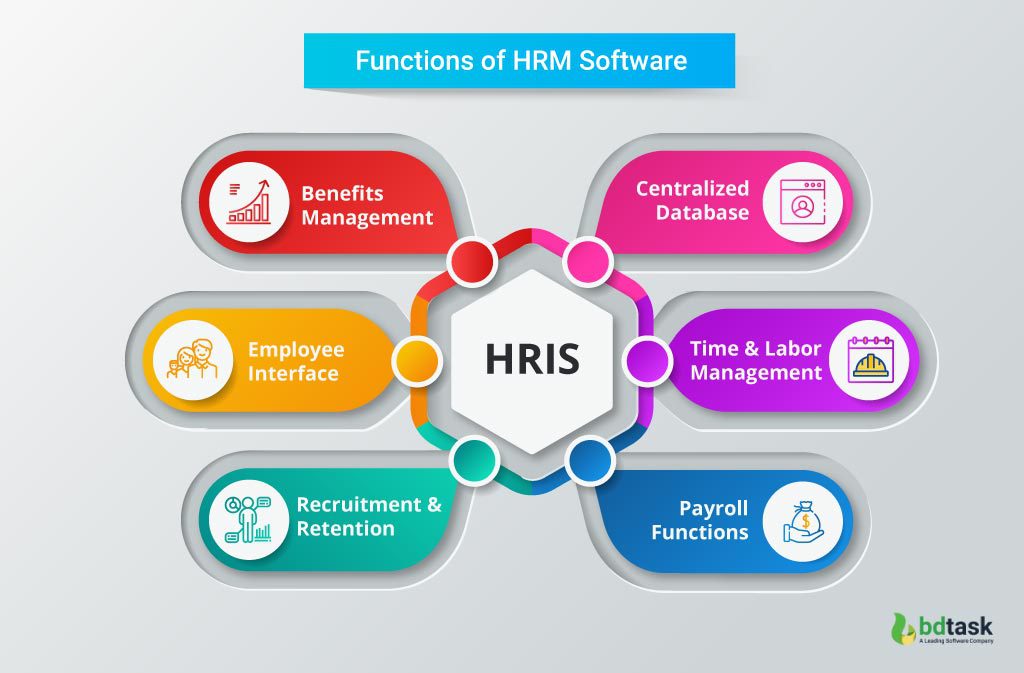
1. Improved Data Management: HRIS systems centralize all employee data, including personal information, employment history, training records, and performance evaluations. This centralized database makes it easier to access and manage employee information, reducing the risk of errors and ensuring data consistency. With HRIS systems, midsize companies can easily track and analyze employee data to make informed decisions and identify areas for improvement.
2. Increased Efficiency: Manual HR tasks, such as payroll processing, benefits administration, and time tracking, can be time-consuming and prone to errors. HRIS systems automate these processes, saving time and reducing the likelihood of mistakes. By streamlining routine tasks, HRIS systems free up HR staff to focus on more strategic initiatives, such as talent management and employee development.
3. Enhanced Compliance: Midsize companies often face complex and ever-changing labor laws and regulations. HRIS systems can help ensure compliance with these laws by automating compliance tracking and reporting. With HRIS systems, midsize companies can easily generate compliance reports, track employee certifications and licenses, and stay up to date with regulatory changes. This can help mitigate the risk of non-compliance and avoid costly penalties.
4. Better Decision-Making: HRIS systems provide valuable insights into workforce trends, performance metrics, and talent development opportunities. With access to real-time data and analytics, midsize companies can make more informed decisions about hiring, training, and workforce planning. HRIS systems can also help identify areas for improvement and measure the impact of HR initiatives on organizational goals.
5. Enhanced Employee Experience: HRIS systems can improve the employee experience by providing self-service tools for tasks like benefits enrollment, time-off requests, and performance feedback. This self-service functionality empowers employees to take control of their HR-related tasks, leading to increased satisfaction and engagement. By offering a more user-friendly HR experience, midsize companies can attract and retain top talent.
Overall, implementing HRIS systems can bring significant benefits to midsize companies, from improved data management and increased efficiency to enhanced compliance and better decision-making. By investing in HRIS technology, midsize companies can transform their HR processes, simplify their operations, and create a more engaged and productive workforce.
Case Studies of Successful HRIS Integration in Midsize Companies
Implementing a HRIS system can be a game-changer for midsize companies looking to streamline their HR processes and improve overall efficiency. Below are four case studies of successful HRIS integration in midsize companies:
Case Study 1: ABC Manufacturing
ABC Manufacturing, a midsize company with 300 employees, decided to implement a HRIS system to automate their manual HR processes. With the new system in place, they were able to digitize their employee records, streamline their recruitment process, and track employee performance more efficiently. As a result, ABC Manufacturing saw a 20% increase in productivity and a significant reduction in HR administrative costs.
Case Study 2: XYZ Tech
XYZ Tech, a midsize company in the tech industry, implemented a HRIS system to centralize their HR data and improve data analysis capabilities. The new system allowed them to generate real-time reports on employee performance, track training and development initiatives, and quickly identify areas for improvement. As a result, XYZ Tech saw a 15% increase in employee engagement and a 25% reduction in turnover rates.
Case Study 3: LMN Retail
LMN Retail, a midsize retail company with multiple locations, decided to invest in a HRIS system to improve communication and collaboration among their dispersed workforce. The new system included self-service portals for employees to access their information, communicate with HR, and submit time-off requests. This led to a 30% reduction in HR inquiries, improved employee satisfaction, and increased operational efficiency.
Case Study 4: PQR Services
PQR Services, a midsize consulting firm, implemented a HRIS system to streamline their performance management process and align employee goals with company objectives. The new system included performance appraisal tools, goal setting features, and real-time feedback capabilities. As a result, PQR Services saw a 40% increase in employee performance, better alignment between individual and company goals, and improved overall productivity.
These case studies demonstrate the significant impact that implementing a HRIS system can have on midsize companies. By automating manual HR processes, centralizing HR data, and improving communication and collaboration, companies can improve efficiency, reduce costs, and enhance employee satisfaction. If you are a midsize company looking to enhance your HR operations, consider investing in a HRIS system to take your HR function to the next level.
Future Trends in HRIS Systems for Midsize Companies
As technology continues to evolve, so do HRIS systems for midsize companies. Here are some future trends to look out for:
1. Artificial Intelligence and Machine Learning: HRIS systems are increasingly incorporating AI and machine learning capabilities to automate routine tasks, analyze data, and provide insights for decision-making. This will help midsize companies improve efficiency, accuracy, and productivity in their HR processes.
2. Mobile Accessibility: With the rise of remote work and flexible schedules, HRIS systems are becoming more mobile-friendly. This allows employees to access HR information, submit requests, and complete tasks on-the-go, making it easier for midsize companies to manage their workforce effectively.
3. Integration with Other Systems: To streamline HR processes and enhance data accuracy, HRIS systems are integrating with other business systems such as payroll, benefits administration, and performance management. This integration will help midsize companies reduce duplication of efforts and improve data consistency across different platforms.
4. Employee Self-Service Features: Many HRIS systems now offer employee self-service features that allow employees to update personal information, view pay stubs, request time off, and enroll in benefits without the need for HR intervention. This empowers employees to take control of their own HR tasks, freeing up HR professionals to focus on more strategic initiatives.
5. Personalization and Customization: In the future, HRIS systems for midsize companies will likely offer more personalization and customization options to meet the specific needs and preferences of different organizations. This could include tailoring the user interface, reporting capabilities, and workflows to align with the unique requirements of each company.
Overall, the future of HRIS systems for midsize companies is exciting and full of potential. By embracing these trends and staying ahead of technological advancements, midsize companies can improve their HR operations, enhance employee experiences, and drive business success in the digital age.
Originally posted 2024-07-01 07:08:51.